The first warning sign is often a sound. Somewhere around the second day of a slow moving tropical system, the toilet in the hall bath starts to gurgle on its own, or the tub drain lets out a low bubble even though nobody has used it in hours. Outside, the rain has not let up, the ditches are full and the yard has gone soft underfoot. That gurgle is the plumbing telling you the system beyond your walls is under strain.
Southeast Texas knows this pattern well. Harvey in 2017 knocked out Beaumont’s water supply for days, Imelda two years later dumped staggering rainfall across Jefferson County, and Laura and Delta brought wind and long power outages to the region in 2020. Each storm left behind a different kind of plumbing problem, and many of them did not show up until weeks later.
Some of those problems need hands on help, and that is where a local team with storm experience makes a real difference. With over 50 years of combined experience across its crew and more than 15 years serving the area, Marathon Plumbing handles sewer line repairs, water heater replacements, drain cleaning and plumbing inspections, and homeowners who want a licensed Port Neches plumber can book evening and weekend visits by appointment when daytime schedules fill up after a storm.
Below are the five places where storms put the most pressure on home plumbing, roughly in the order they tend to appear.
When the City’s Pipes Push Back
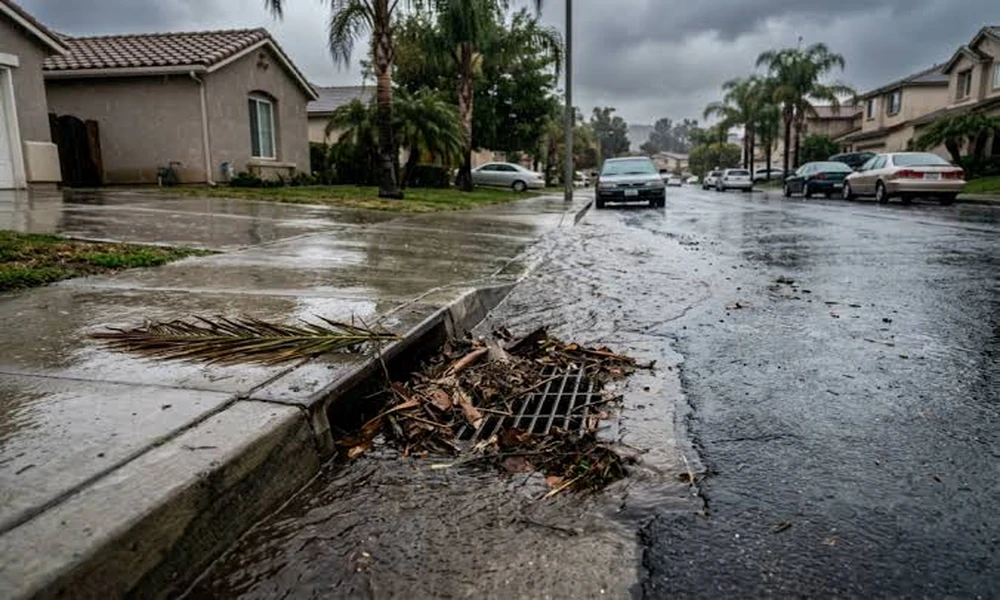
Municipal sewer systems are built to carry wastewater, not floodwater. During long, heavy rains, groundwater seeps into cracked mains and manholes, and storm runoff finds its way in through openings it was never meant to reach. The system fills beyond capacity, and wastewater looks for the lowest exit it can find. In a slab home, that is usually a shower drain, a floor level toilet or a tub.
A backwater valve installed on the sewer line gives the house a one way gate, letting waste leave while blocking it from flowing back in. Homes that have had even one backup during a storm are strong candidates. It also helps to know where the outdoor cleanout sits and to make sure its cap is intact, since a broken or missing cap lets rainwater pour straight into your line and adds to the problem.
If sewage does come up through a drain, stop using water in the house until levels outside drop. Every flush or load of laundry adds volume to a line that has nowhere to send it.
The Water Heater That Sat in Floodwater
Water heaters in garages and utility rooms are often the first major appliance to take on water when a home floods. The tank itself might look fine once things dry out, which is exactly why people are tempted to relight the pilot and move on.
Gas units
The burner assembly, gas control valve and thermostat on a gas water heater are not designed to survive submersion. Silt and corrosion can work into the valve and cause it to fail in unpredictable ways, sometimes long after the water recedes. Most manufacturers recommend replacing a gas unit whose controls were underwater rather than trying to clean and reuse it.
Electric units
Electric heaters face their own risks once floodwater reaches the heating elements, thermostats and wiring compartment. Insulation inside the jacket also stays wet for a long time and can promote rust from the outside in. Power should stay off until the unit has been checked.
In both cases, a replacement is a good moment to raise the new tank on a stand where local rules allow, giving it some margin above the next high water mark.
After the Notice Lifts
Storms that knock out power can also knock out water treatment and pumping. When pressure in a public system drops low enough, the utility issues a boil water notice until testing shows the supply is safe again. During the 2021 winter storm, the City of Kerrville noted that it was one of roughly 1,300 Texas water systems under boil water notices at the same time, which gives a sense of how widespread these events can become.
What many households miss is that the water already sitting in their own pipes, tank and appliances was there during the advisory. Flushing it out matters, and the order helps.
- Run every cold water faucet for several minutes, starting with the one closest to where the line enters the house and working outward.
- Flush the hot side next. A standard 40 gallon tank usually needs around 15 minutes of steady hot water flow, and larger tanks need longer.
- Throw out ice made during the notice, then run the ice maker through a few fresh batches and discard those too.
- Replace refrigerator water filters and any under sink or whole house filter cartridges.
- Run an empty dishwasher cycle and put a water softener through a regeneration cycle if your home has one.
It takes an afternoon, but it keeps stale water from lingering in places most people never think about.
Roots, Wind and a Yard That Moved
Saturated clay soil loses much of its grip. Add hurricane force gusts, and mature oaks and pines can tip over with their root balls still attached. When a tree that sits near the sewer lateral or water service line goes down, it can lift, crack or snap pipes buried a few feet below.
Damage like this does not always announce itself right away. Watch for drains that slow down across the whole house, soggy patches in the yard that stay wet long after everything else dries, a sudden drop in water pressure or a meter that keeps moving when nothing is running. A camera inspection of the sewer line after a large tree falls near it can save months of guessing.
Even trees that stay standing can cause trouble. Roots that sat in waterlogged ground for weeks tend to grow aggressively toward any cracked joint leaking moisture, which is why sewer clogs sometimes spike in the season after a wet storm year.
Gas, Generators and the Rush to Restart
Long outages send many households to portable or standby generators, and the scramble to connect them quickly can create its own hazards. Generators running too close to the house push carbon monoxide inside, and improvised gas connections made in a hurry may never have been pressure tested.
When power returns, gas appliances that were shut off need to be relit correctly, and any smell of gas near the water heater, range or outdoor connections is a reason to leave the house and call the gas utility first. Storm surge and floodwater can also shift gas meters and exterior piping, so a visual check outside before relighting anything is worth the few minutes it takes.
Getting Ahead of the Next One
Hurricane season officially runs from June through November, but the work that makes the biggest difference happens in the quiet months. Spring is a good time to have the main sewer line scoped, to look into a backwater valve if your home has a history of backups, and to find and test the main water shutoff so everyone in the house knows how to close it. Water heaters approaching the end of their service life are better replaced on your schedule than after a flood forces the decision.
Storms along this stretch of the coast are a matter of when rather than if. A plumbing system that has been checked, mapped and prepared will not stop the rain, but it can turn the aftermath into a manageable cleanup instead of a long string of surprises.