
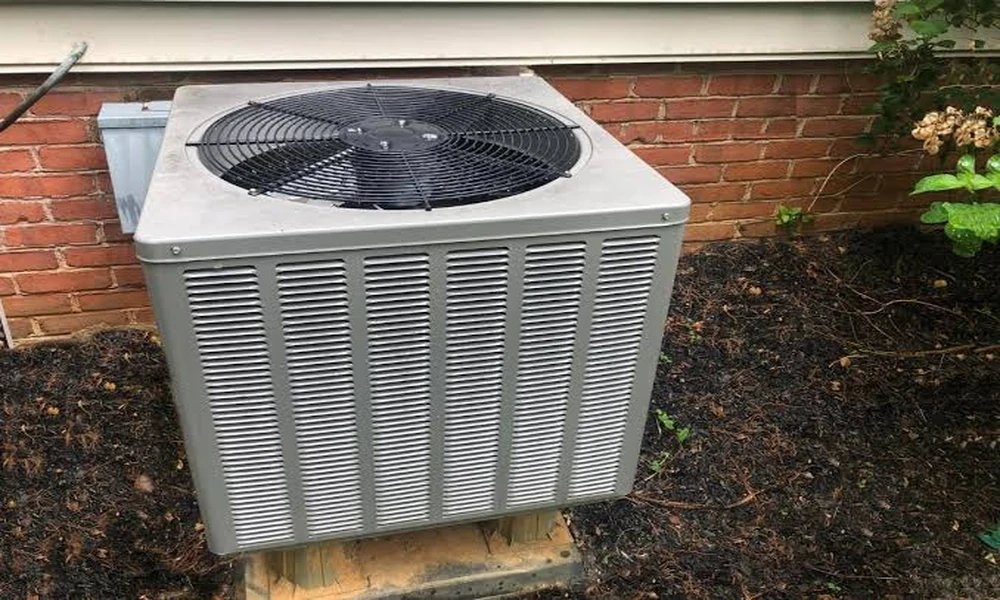
In a place where the air conditioner runs from spring through late fall and still kicks on during warm winter afternoons, equipment wears out on a different clock. A system that might coast for fifteen years up north can log the same hours here in far less time. Heat doesn’t break everything at once, though. Parts fail in a fairly predictable order, starting with the small and cheap and working up to the big and expensive.
Most calls for Weslaco air conditioning repair come in during the stretch when afternoons climb past a hundred degrees and the unit has been running nonstop for days. A family led company that knows those summers will tell you the fix is often smaller than the homeowner fears, as long as the problem gets caught at the early end of the chain.
Here is how that chain usually plays out, from the first weak link to the last.
The Filter Goes First and Takes Others With It
The humble air filter is the earliest casualty. Dust, pollen and the fine soil that blows in from surrounding farm fields load it up quickly, and a clogged filter starves the system of airflow. With too little warm air passing over it, the indoor coil gets cold enough to freeze. Ice blocks even more air, the house warms up, and the unit runs longer trying to catch up.
During peak season, checking the filter every month is reasonable. Thicker pleated filters last longer but should still be inspected, especially in homes with pets.
Water Has to Go Somewhere
An air conditioner in a humid climate pulls gallons of moisture out of indoor air every day. That water drips off the indoor coil into a pan and leaves through a small condensate line. Algae and slime grow happily in that warm, damp tube, and when it clogs, one of two things happens. The pan overflows into the ceiling or closet, or a float switch senses the rising water and shuts the system off.
A system that stops cooling for no obvious reason, then restarts once the drain is cleared, almost always traces back here. Flushing the line with a cup of plain white vinegar every few months keeps growth in check.
Five Checks Worth Making Before Calling Anyone
A few quick checks can rule out the simple causes and save a service call.
- Confirm the thermostat is set to cool and the set point is below room temperature. Replace its batteries if the screen is dim.
- Look at the breaker panel for a tripped breaker labeled for the condenser or air handler.
- Pull the filter and hold it to the light.
- Check the outdoor disconnect box near the condenser to be sure it’s switched on.
- Look for water in the drain pan or a float switch that has tripped.
If none of those explain the problem, the cause is likely inside the equipment, where the next set of failures lives.
Small Electrical Parts Wilt Under Heat
Once airflow and drainage are ruled out, the outdoor unit becomes the focus. Several inexpensive electrical components sit inside it, and heat is hard on all of them.
Capacitors. These small cylinders give the compressor and fan motor the jolt they need to start. Summer heat dries them out, and a weak capacitor is one of the most common reasons a condenser hums but won’t run. Sometimes the top bulges visibly. Replacement is quick and affordable, but capacitors hold a dangerous charge even with the power off, so this belongs to a technician.
Contactors. This switch closes when the thermostat calls for cooling and sends power to the outdoor unit. Its contact points pit and burn over thousands of cycles, and ants are oddly drawn to them, sometimes jamming the switch. A failed contactor can leave the unit dead or, worse, running constantly.
Fan motors. The condenser fan pushes heat away from the outdoor coil. When its bearings wear or the motor overheats, heat builds inside the unit and pressure climbs, which strains everything downstream.
Power surges from summer thunderstorms and grid fluctuations can damage all three at once. A surge protector at the outdoor disconnect is cheap insurance.
Coils and Refrigerant Sit in the Middle of the Chain
The outdoor coil sheds heat into the air, and when its thin fins are packed with dust, cottonwood fluff or grass clippings, it can’t do that job. The system runs hotter and longer, and the electric bill shows it. Rinsing the coil gently with a garden hose from the inside out, with the power off, helps. Pressure washers bend the fins and do more harm than good.
Refrigerant problems are more serious. A system doesn’t use up refrigerant the way a car uses gas, so low refrigerant always means a leak. Common signs include ice on the larger copper line outside, warm air from the vents and a hissing or bubbling sound. Topping off without finding the leak only buys a few weeks.
Handling refrigerant takes federal certification, and it’s also worth asking whether the technician carries NATE credentials. The certification body explains that technicians who pass its exams tend to get the job right the first time, with fewer callbacks and equipment that runs closer to peak efficiency.
Older systems built for R-22 face a harder choice. That refrigerant is no longer produced, so recharging it has become expensive, and a leak in one of those units is often the moment replacement makes more financial sense than repair. Newer equipment is moving to A2L refrigerants with lower climate impact, which need different handling and tools.
The Compressor Waits at the End
The compressor is the heart of the system and the costliest part to replace. It rarely fails out of nowhere. More often it gives out after years of strain from the problems above, such as a dirty coil raising pressure, a weak capacitor making every start harder, low refrigerant letting it overheat, or a failed fan cooking the whole outdoor unit.
Warning signs include breakers that trip whenever the outdoor unit starts, loud clanking or grinding, and a unit that runs but barely cools. When a compressor fails in an older system, the replacement cost often comes close to that of a new condenser, and the conversation shifts from repair to replacement.
Reading the Signs While They’re Still Small
Following the chain backward shows why small maintenance matters so much here. A clean filter protects the coil. A clear drain keeps the system running. A healthy capacitor makes every start easier on the compressor. Each small fix takes stress off the parts that cost the most.
A spring tune up, before the first long run of hot weeks, is when a technician can test capacitor readings, tighten electrical connections, clean coils and check refrigerant pressure. Catching a weak part in April is far easier than losing cooling on an August evening when every repair crew in town is already booked.
Homes in long cooling climates ask a lot of their equipment. Paying attention to the small failures gives the big ones far fewer chances to happen.
