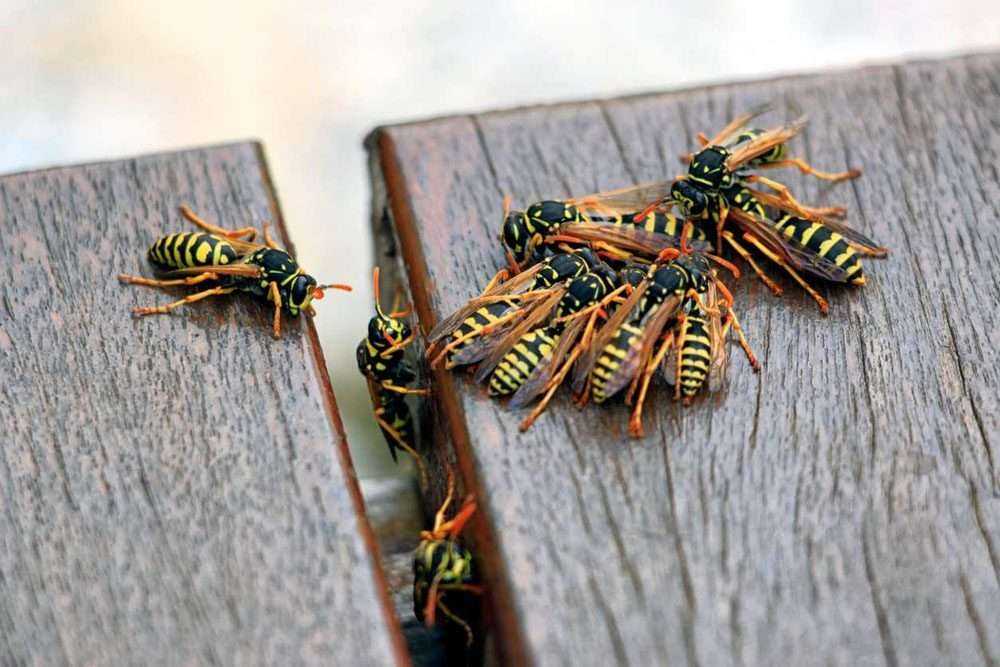
The pockets of green combined with older housing stock are just hitting those ideal wasp uptakes in attics. These stinging insects do not just arbitrarily select your residence; they gravitate toward specific indicators that Centralia’s neighborhoods near parks offer in abundance. Those towering trees of Borst Park and the wooded areas surrounding Fort Borst Park are a sweet heaven for wasps.
The proximity to these green spaces, along with Centralia’s mild Pacific Northwest climate, gives wasp colonies an inviting and conducive environment to thrive year after year. Some of us start hearing buzzing overhead around our ceiling or seeing more wasps hanging around our homes, suggesting that a whole hive is nearby. Need an exterminator in Centralia? Get in touch with a pest control service before it gets out of hand with these annoying pests.
Things You Need to Know About Wasp Nests In Centralia
In Centralia, the wasp season will last from April to October, with the warm, summer months being the busiest time of the year. The city’s average temperature is about 75°F. The most common species you can expect to find are paper wasps, yellowjackets, and bald-faced hornets, which have seen the climate in the area to be entirely suitable for them to thrive in.
Centralia is so heavily populated with these insects due to the availability of food – the nectar-filled blossoms in Riverside Park, and the protein-rich insects found in Centralia’s diverse ecosystem. Depending on the species and the environment, a single wasp colony could have as few as 100 or as many as 15,000 wasps inside it.
Why Stinging Insects Love Attics Near Parklands?
-
Abundant Food Sources From Park Ecosystems
Throughout the growing season, the parklands surrounding Centralia provide virtually unlimited buffet options for Wasps. Native trees, such as the Douglas fir and maple species, attract aphids and various small insects, which the wasps seek as a protein source.
-
Protected Nesting Sites in Attic Spaces
Attics provide wasps with everything they need: Shelter, warmth, and the ability to stay away from any potential predators. These sealed chambers imitate natural nesting locations, such as hollow trees, but offer more stable temperature control, enabling colonies to flourish.
-
Water Access From Nearby Natural Features
A park usually provides water sources for wasps to drink, such as ponds, streams, or irrigation systems. The Chehalis, which runs adjacent to most of Centralia, is that single, permanent water source keeping large communities of wasps through the peak months of activity on the move wherever they are.
-
Reduced Human Disturbance in Park-Adjacent Areas
Properties located close to parklands do not have the same level of daily activity and noise as busy city centres. With fewer disturbances in these areas, wasp colonies can settle into a readily-breeding rhythm, familiarising themselves with their surroundings and establishing larger nests with established colonies all the way through into late summer.
-
Ideal Temperature Conditions in the Pacific Northwest Climate
Summer temperatures in Centralia hover around 75°F, and winters are mild, which provides ideal conditions for wasps to survive. In less extreme climates, nesting season is shorter due to temperatures causing colonies to go inactive much sooner. Still, the stable temperatures in these areas allow colonies to remain active until later in the fall.
When Professional Invasion Becomes Important
Calling a professional if a wasp problem is beyond a Centralia homeowner’s control can mean the difference between a dangerous encounter and costly property damage. The scenario becomes urgent when you see several wasps going in and out of the same area of your property, hear buzzing from steps or ceilings, or find the nest itself.
For years, Pointe Pest Control has serviced the Centralia community, and they know all about how park-adjacent properties have different pest control problems. Their experts know how to detect entry points, specify the colony, and eliminate nests without exposing the proximity. This is particularly important, as Centralia remains a hot spot for these stinging creatures throughout the summer.