
A lot of pests in St. Louis can spread illnesses that can harm humans and pets. Homeowners encounter a variety of pests throughout the year. Many of these unwanted visitors can carry harmful bacteria, parasites, or viruses. This makes it essential for people to understand which pests pose these risks. This can help them take preventative steps to keep their loved ones and homes safe.
Dealing with pests that carry disease requires more than surface-level solutions. Thankfully, Pointe Pest Control takes a thorough approach to bug infestations. They identify the root cause of infestations and provide long-term solutions. Here are some of the common pests that homeowners may deal with in the city:
Mosquitoes
Mosquitoes thrive in warm, humid weather. They use standing water in yards, gutters, and containers as breeding sites. Mosquitoes in St. Louis have been linked to West Nile virus and St. Louis encephalitis, both of which can cause severe symptoms. Outdoor activities become less enjoyable when mosquitoes dominate an area. Unfortunately, mosquitoes reproduce rapidly, which makes them hard to control without consistent prevention.
Rodents
Rats and mice carry salmonella and hantavirus. Their droppings often contaminate kitchens, pantries, and food storage areas. Homes with basements or older foundations are particularly vulnerable to rodent infestations. In addition to spreading illness, rodents chew through insulation, wires, and wood. This creates dangerous and costly structural risks.
Ticks
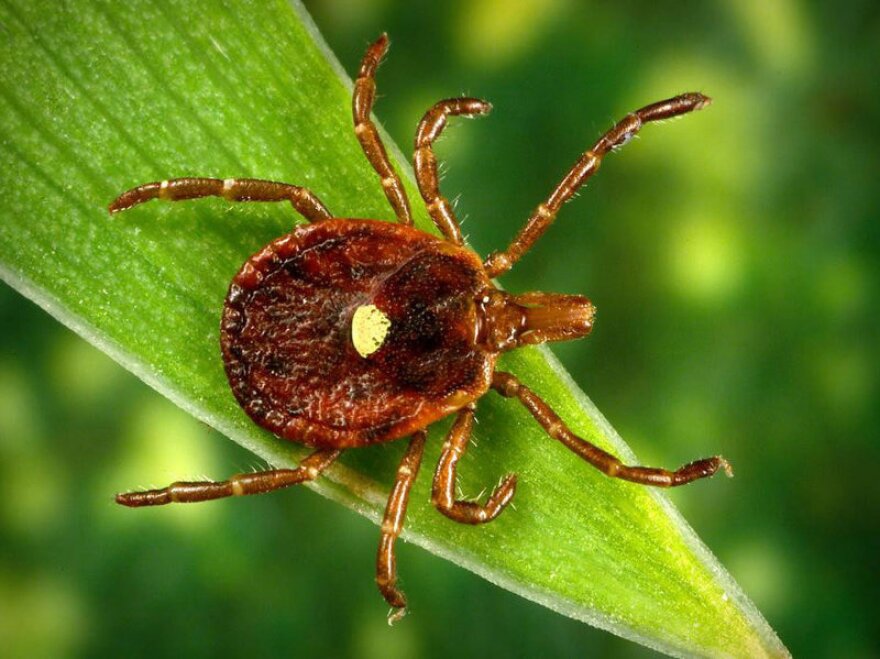
Ticks cling to tall grasses, wooded areas, and shrubs, waiting for hosts to pass by. They can spread Lyme disease, ehrlichiosis, and Rocky Mountain spotted fever. These illnesses can cause long-term health complications if not addressed as soon as possible. Pet owners must be cautious, as ticks easily attach to dogs and spread indoors.
Cockroaches
Cockroaches thrive in warm, moist environments. This makes kitchens, bathrooms, and basements prime locations. They can spread E. coli and Salmonella. Their shed skin and droppings also trigger asthma and allergies. Apartment complexes and older homes in densely populated parts of St. Louis provide roaches with the perfect environment to multiply.
Fleas
Fleas can carry murine typhus and can also transmit tapeworms to pets. Fleas spread rapidly in households with cats or dogs. They hide in carpets, bedding, and upholstery.
Ants
Certain species of ants contaminate food supplies with bacteria. They can enter kitchens in search of sweets or proteins, leaving trails across countertops and pantries. Pharaoh ants, in particular, are linked to the spread of salmonella and staphylococcus. They are hard to clock due to their size. Sadly, colonies can expand rapidly if not addressed.
Bed Bugs
Bed bugs do not carry diseases, but their bites cause itching, allergic reactions, and secondary skin infections. The stress and lack of sleep tied to infestations can also weaken immune systems. St. Louis is home to frequent travelers and shared housing, so bed bugs can spread rapidly from place to place.
Flies
Houseflies and fruit flies pick up bacteria from garbage, decaying matter, and animal waste. Then, they transfer it to food and surfaces inside homes. Salmonella, dysentery, and E. coli are commonly associated with fly infestations. Flies are rapid breeders. They thrive around trash bins, compost piles, and drains. Thus, they can become a serious health concern if not addressed promptly.
Spiders
The brown recluse is well known for its venomous bites, which can cause severe skin reactions. In rare cases, these bites can cause more serious medical issues. Spiders prefer dark and undisturbed areas. Thus, they can be found in basements, closets, and attics. Their presence often signals that other insects are nearby, since spiders follow their food sources.
Stink Bugs
The droppings and shed skins of stink bugs can trigger allergies and respiratory problems. In larger infestations, these pests also attract rodents and spiders, compounding the risks inside a home..