The modern kitchen needs a dishwasher for ease and efficiency. With so many possibilities, picking a dishwasher can be difficult. With the correct information, you can explore the alternatives and find the best appliance. This article covers vital dishwasher selection suggestions to ensure a seamless kitchen integration and easy dishwashing.
Consider Size and Capacity
Sizes vary for dishwashers to fit different kitchens and households. To ensure the dishwasher fits your kitchen plan, assess the space before buying. Place setting capacity of the dishwasher should also be considered. A basic dishwasher fits 12–14 place settings for a family of four. Larger households or regular entertainers may prefer larger dishwashers.
The Energy Efficiency
In an age of environmental awareness, choosing an energy-efficient dishwasher saves money and helps the earth. Find dishwashers with the ENERGY STAR designation, which means they meet or exceed EPA energy efficiency standards. Eco-friendly energy-efficient dishwashers use less water and power, lowering utility bills.
Noise Level
Choosing a quieter dishwasher appliance can improve your cooking experience. Lower dishwasher decibels (dB) indicate quieter operation. Open-concept kitchens and quiet environments benefit from dishwashers below 45 dB. While quieter models may cost more, their comfort may be worth it.
Wash Cycles and Cleaning Performance
Choose a dishwasher based on cleaning performance and wash cycles. Look for models with light, normal, heavy, and special wash cycles for delicate glassware and pots and pans. Cleaning performance depends on water pressure, spray arm design, and filtering system efficiency. User reviews and expert comments might reveal a dishwasher’s cleaning qualities.
The Drying Mechanism
Preparing dishes for use after the dishwasher requires effective drying. Dishwashers dry with heat, air, or both. Heated drying speeds up dishwasher drying by heating the air. However, air drying evaporates moisture with moving air. Some new dishwashers use zeolite drying, which absorbs moisture using natural minerals to improve drying.
Rack Flexibility and Adjustability
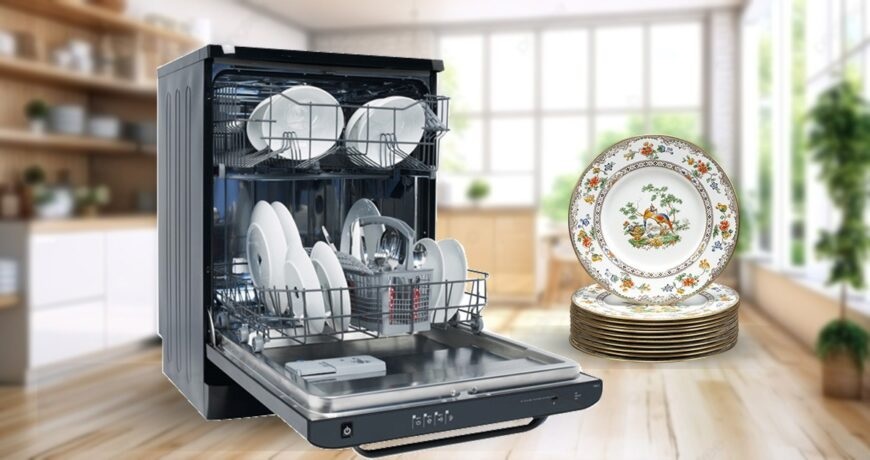
A flexible dishwasher with adjustable racks and foldable tines can fit different dish sizes and shapes. Look for models with adjustable upper and lower racks to adapt the inside to your needs. Removable and foldable tines enable loading larger objects and odd-shaped plates easier, optimizing dishwashing capacity and efficiency.
Stainless vs. plastic tub
Dishwashers have stainless steel or plastic tubs. Both materials have advantages, however stainless steel tubs are preferred for their durability, stain resistance, and heat retention. Stainless steel also reduces operation noise. Due to its lifespan and performance, stainless steel tub dishwashers may cost more upfront but save money over time.
Smart Features and Connectivity
Modern appliances with smart functions have transformed the kitchen. Consider smart dishwashers that can be monitored and controlled via smartphone app. Some models are compatible with Amazon Alexa or Google Assistant for hands-free operation. Smart features may not be necessary, but they can simplify your life.
Conclusion
Size, capacity, energy efficiency, and smart features must be considered when choosing a dishwasher. You may discover the appropriate equipment that matches your kitchen and simplifies dishwashing by prioritizing your needs and preferences. Research, read reviews, and compare models to make a decision that fits your lifestyle and improves kitchen efficiency and enjoyment.