What is Asbestos?
Asbestos is a group of six natural mineral fibers that have been used in many building materials. It is known for its strength and resistance to heat and fire. Because of these properties, it was commonly used in homes built before 1986 for:
- Insulation
- Roofing materials
- Floor tiles
Health Risks Associated with Asbestos Exposure
Exposure to asbestos can lead to serious health problems. When asbestos fibers are disturbed, they can become airborne and be inhaled. The body cannot break down these fibers, which can lead to:
- Mesothelioma: A rare and aggressive cancer affecting the lining of the lungs and abdomen.
- Lung Cancer: A common cancer linked to asbestos exposure.
- Asbestosis: A chronic lung disease that causes scarring of lung tissue.
These conditions may take many years to develop, often appearing 10 to 40 years after exposure.
Common Places to Find Asbestos in Homes
Asbestos was used in over 3,000 products, especially in homes built before 1986. Common places to find asbestos include:
- Insulation: Found in walls, attics, and around pipes.
- Flooring: Vinyl tiles and the adhesive used to install them.
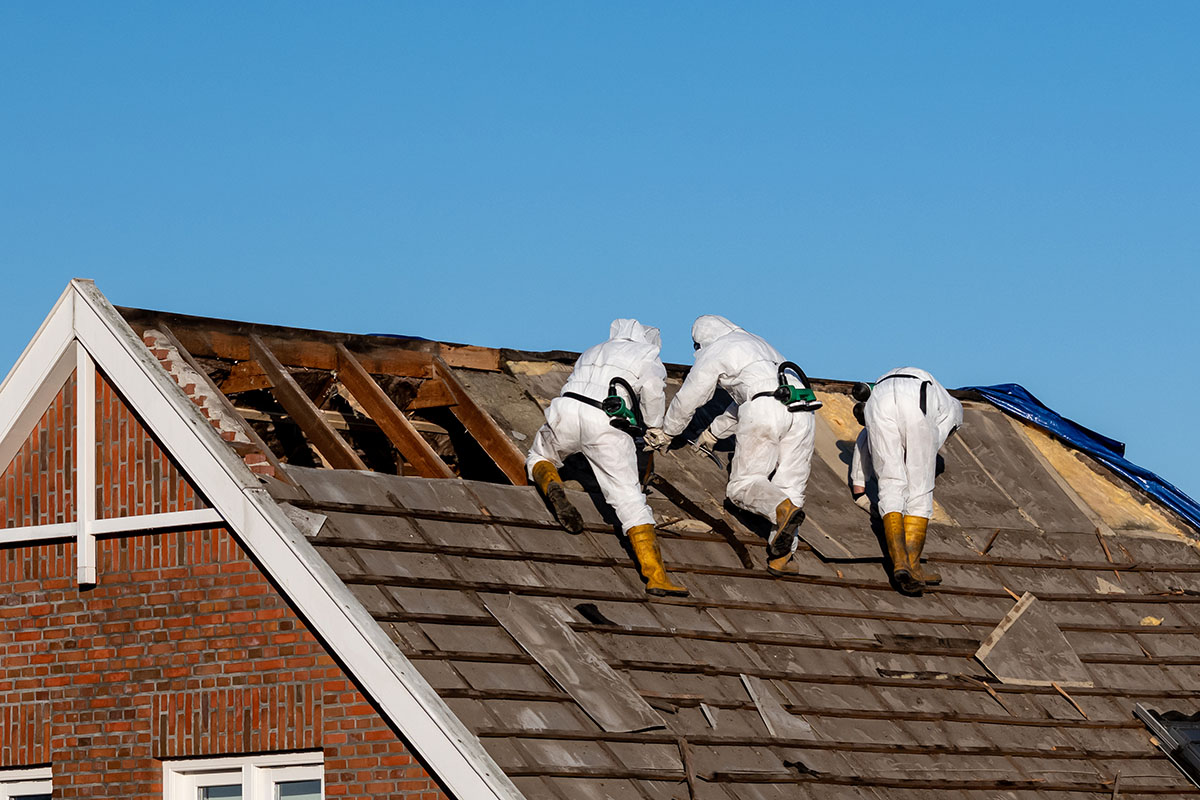
- Roofing: Shingles and siding materials.
If any of these materials are damaged or disturbed, they can release harmful asbestos fibers into the air.
Legal Rights and Regulations for Asbestos Removal
Federal and State Regulations
Homeowners must be aware of the laws that govern asbestos removal. These regulations are designed to protect public health and ensure safe practices. Key points include:
- Federal Laws: The Environmental Protection Agency (EPA) sets national standards for asbestos removal.
- State Regulations: Each state may have additional rules that must be followed, so it’s important to check local laws.
- Notification Requirements: Homeowners may need to notify local authorities before starting any removal work.
Homeowner Legal Rights
Understanding legal rights is crucial for homeowners dealing with asbestos. Here are some important rights:
- Right to Safe Removal: Homeowners have the right to hire certified professionals for safe asbestos removal.
- Right to Information: Homeowners can request information about the removal process and safety measures from contractors.
- Right to Compensation: If asbestos exposure occurs due to negligence, homeowners may have the right to seek compensation for asbestos-related injuries.
Hiring Certified Professionals
Choosing the right professionals for asbestos removal is essential. Homeowners should consider the following:
- Check Credentials: Ensure the contractor is licensed and certified in asbestos removal.
- Request a Detailed Plan: A reputable contractor should provide a clear plan outlining the removal process and costs.
- Ask for References: Speak to previous clients to gauge the quality of the contractor’s work.
The Importance of Professional Asbestos Removal
Why DIY Asbestos Removal is Dangerous
Removing asbestos on your own can be very risky. Here are some reasons why:
- Health Risks: Disturbing asbestos can release harmful fibers into the air, which can lead to serious health problems.
- Legal Issues: Many areas have strict laws about asbestos removal. Not following these can result in fines or legal trouble.
- Improper Techniques: Without the right training, it’s easy to make mistakes that can worsen the situation.
Benefits of Hiring Professionals
Choosing to hire experts for asbestos removal has many advantages:
- Safety First: Professionals know how to handle asbestos safely, reducing the risk of exposure.
- Proper Equipment: They use special tools and protective gear to ensure the job is done right.
- Compliance with Laws: Certified companies follow all local and federal regulations, keeping you safe from legal issues.
Certification and Training Requirements
When hiring a removal company, it’s important to check their qualifications:
- Licensing: Ensure the company is licensed to remove asbestos.
- Training: Workers should have completed training specific to asbestos handling.
- Experience: Look for companies with a good track record in asbestos removal.
Steps to Prepare Your Home for Asbestos Removal
Preparing your home for asbestos removal is crucial to ensure safety and efficiency. Here are the essential steps homeowners should follow:
Initial Inspection and Testing
- Hire a licensed inspector to check for asbestos in your home. They will take samples from suspected areas and send them to a lab for analysis.
- Common areas to check include:
- Insulation materials
- Roofing and siding
- Floor tiles and adhesives
Sealing Off Work Areas
- Seal off the areas where asbestos removal will take place using plastic sheeting. This prevents asbestos fibers from spreading to other parts of the home.
- Use negative air pressure units to further contain any potential contamination.
Temporary Relocation Considerations
- Depending on the extent of the removal, homeowners may need to temporarily relocate. Discuss with your removal team how long the process will take and when it will be safe to return.
By following these steps, homeowners can help ensure a safer environment during the asbestos removal process. Remember, while it is not illegal to remove asbestos yourself, it is highly discouraged due to the severe health risks involved. Professional assistance is always recommended to ensure safety and compliance with regulations.
The Asbestos Removal Process Explained
Setting Up the Work Area
Before any asbestos removal begins, it is crucial to prepare the work area properly. Here are the main steps:
- Clear the Area: Remove all personal items and furniture from the space to prevent contamination.
- Seal Off Work Areas: Use plastic sheeting to close off the area and prevent asbestos fibers from spreading.
- Turn Off HVAC Systems: Ensure that heating and cooling systems are off to stop asbestos from moving through the air.
Safe Removal Techniques
During the removal process, trained professionals follow strict safety measures:
- Wear Protective Gear: Workers must wear special suits and masks to protect themselves from asbestos exposure.
- Wet the Asbestos: Keeping asbestos materials wet helps reduce the release of harmful fibers into the air.
- Careful Removal: Asbestos is removed carefully and placed in sealed containers to prevent leaks.
Post-Removal Air Quality Testing
After the removal is complete, it is essential to ensure the area is safe:
- Thorough Cleaning: The work area is cleaned using special vacuums designed to capture tiny asbestos fibers.
- Air Quality Tests: Professionals conduct tests to check if the air is free from asbestos before anyone can return to the area.
- Final Inspection: A final check is done to confirm that all asbestos has been removed and the area is safe for re-entry.
Asbestos Abatement Alternatives
When dealing with asbestos in the home, homeowners may consider alternatives to complete removal. These methods can help manage asbestos safely without the need for extensive removal processes. Here are some common alternatives:
Encapsulation Methods
- Sealants: A special coating is applied to asbestos materials to prevent fibers from becoming airborne.
- Regular Inspections: Homeowners should schedule periodic checks to ensure the encapsulated materials remain intact.
- Maintenance: Keeping the area clean and undisturbed is crucial to maintaining safety.
Enclosure Techniques
- Airtight Barriers: Asbestos materials are covered with airtight materials to prevent fiber release.
- Controlled Access: Limit access to enclosed areas to reduce the risk of disturbance.
- Signage: Clearly mark enclosed areas to inform others of potential hazards.
When to Choose Abatement Over Removal
- Condition of Asbestos: If the asbestos is in good condition and not disturbed, abatement may be a safer option.
- Cost Considerations: Abatement can be less expensive than removal, making it a viable choice for some homeowners.
- Health Risks: Always consider the potential health risks associated with asbestos exposure before deciding on a method.
Choosing the right approach to manage asbestos is essential for ensuring safety and compliance with regulations. Homeowners should consult with professionals to determine the best course of action for their specific situation.
Cost Considerations for Asbestos Removal
When it comes to removing asbestos from a home, understanding the costs involved is crucial. Here are some key points to consider:
Factors Affecting Removal Costs
- Extent of Asbestos Presence: The more asbestos that needs to be removed, the higher the cost. Areas with extensive contamination will require more time and resources.
- Type of Asbestos Material: Different materials (like insulation, tiles, or roofing) may have varying removal costs based on their location and the complexity of the job.
- Location of the Home: Costs can vary by region due to local regulations, labor rates, and disposal fees.
Comparing Quotes from Contractors
- Get Multiple Estimates: Always seek quotes from at least three different contractors to ensure you get a fair price.
- Check for Hidden Fees: Make sure to ask about any additional costs that may arise during the removal process.
- Review Contractor Credentials: Ensure that the contractors are licensed and have experience in asbestos removal to avoid future issues.
Long-term Health Cost Savings
- Investing in Professional Removal: While the upfront cost may seem high, hiring professionals can save money in the long run by preventing health issues related to asbestos exposure.
- Peace of Mind: Knowing that the asbestos has been safely removed can provide homeowners with peace of mind, reducing stress and potential future costs related to health care such as mesothelioma and asbestos-related disease treatments.
Post-Removal Steps and Home Restoration
After the asbestos removal is completed, it is essential to follow specific steps to ensure the home is safe and restored properly. Here are the key actions homeowners should take:
Cleaning and Decontamination
- Thorough Cleaning: The area where asbestos was removed must be cleaned meticulously. This includes using specialized equipment to eliminate any remaining asbestos fibers.
- Air Quality Testing: Conduct air quality tests to confirm that the environment is safe for re-entry. This step is crucial to ensure that no harmful fibers are present in the air.
- Documentation: Keep records of the cleaning process, including air quality test results and any other relevant documents.
Home Repairs and Renovations
- Assess Damage: Inspect the area for any damage caused during the removal process. This may include walls, ceilings, or floors that need repair.
- Replace Materials: If any materials were removed, such as insulation or drywall, they should be replaced with safe alternatives.
- Renovation Planning: Consider any renovations that may be needed to restore the home to its original condition or improve its safety.
Keeping Records for Future Reference
- Maintain Documentation: Keep all records related to the asbestos removal process, including inspection reports and clearance certificates. These documents may be important for future home sales or renovations.
- Inform Future Buyers: If selling the home, inform potential buyers about the asbestos removal and provide them with the necessary documentation.
- Regular Inspections: Schedule regular inspections to ensure that no new asbestos issues arise, especially if the home is older and may have other hidden asbestos materials.
By following these steps, homeowners can ensure that their living environment is safe and healthy after asbestos removal. Awareness of asbestos presence in homes is crucial for safety, and taking the right actions post-removal can help maintain a safe home for everyone.
Natural Disasters and Asbestos Risks
Natural disasters can pose serious risks to homes that contain asbestos, a material known for its harmful health effects. Homeowners should be aware of how different disasters can disturb asbestos and what steps to take to ensure safety.
Impact of Floods and Earthquakes
- Floods can cause water damage, leading to the expansion or breaking of materials that may contain asbestos. This disturbance can release harmful fibers into the air.
- Earthquakes can create cracks and damage that disturb even well-contained asbestos. Homeowners should have their homes inspected for asbestos contamination after an earthquake, especially if the home is older.
Wildfires and Asbestos Exposure
- Wildfires can disturb asbestos, even if it has been professionally contained. The heat from the fire can release asbestos fibers into the air, which can be inhaled along with smoke.
- Asbestos-containing materials can continue to release fibers long after the fire is out, making immediate remediation necessary.
Preparing for Severe Weather Events
- Homeowners should be proactive in preparing for severe weather events that could disturb asbestos. This includes:
-
- Regular Inspections: Have your home inspected for asbestos, especially if it was built before 1986.
- Emergency Plans: Create a plan for what to do if a disaster occurs, including how to safely evacuate and who to contact for help.
- Stay Informed: Keep up with local weather reports and alerts to be prepared for potential disasters that could impact your home.
Understanding these risks and taking the necessary precautions can help homeowners protect themselves and their families from the dangers associated with asbestos exposure during natural disasters.
Common Mistakes to Avoid During Asbestos Removal
Choosing Unqualified Contractors
When it comes to asbestos removal, hiring the right contractor is crucial. Here are some mistakes to avoid:
- Not checking credentials: Always verify that the contractor has the necessary licenses and certifications.
- Ignoring experience: Choose a contractor with a proven track record in asbestos removal.
- Skipping references: Ask for and check references from previous clients to gauge their satisfaction.
Ignoring Legal Requirements
Homeowners must be aware of the laws surrounding asbestos removal. Common pitfalls include:
- Not understanding local regulations: Each state has specific rules regarding asbestos handling. Familiarize yourself with these laws.
- Failing to notify authorities: In some areas, you may need to inform local health departments before starting removal.
- Neglecting to get permits: Ensure that all necessary permits are obtained before beginning work.
Inadequate Safety Measures
Safety should always be a priority during asbestos removal. Avoid these mistakes:
- Not using protective gear: Ensure that all workers wear appropriate safety equipment, including respirators and suits.
- Failing to seal off areas: Properly seal off work areas to prevent asbestos fibers from spreading.
- Not conducting air quality tests: After removal, always test the air quality to confirm that it is safe for re-entry.
Understanding Asbestos Testing and Inspection
Visual Examination Procedures
When dealing with potential asbestos in a home, the first step is a visual examination. This involves:
- Inspecting areas where asbestos is likely to be found, such as insulation, roofing, and flooring.
- Looking for signs of damage or wear that could release asbestos fibers into the air.
- Noting any materials that appear to be old or in poor condition.
Sample Collection and Lab Analysis
If asbestos is suspected, samples need to be collected for testing. This process includes:
- Carefully taking samples from the identified materials.
- Ensuring that the samples are sealed and labeled properly to avoid contamination.
- Sending the samples to a certified laboratory for analysis to determine if asbestos is present and if it poses a risk.
Evaluating Test Results
Once the lab analysis is complete, homeowners will receive a report that includes:
- Confirmation of whether asbestos is present in the samples.
- Information on the type of asbestos found and its condition (friable or non-friable).
- Recommendations on the next steps, which may include professional removal or monitoring the materials if they are in good condition.